The construction process is a multifaceted sequence of stages that transforms a concept into a physical structure. While specific steps may vary by project type, most follow a standard lifecycle categorized into six major phases.
1. Initiation & Design
Every project begins with a concept. This phase focuses on feasibility and translating ideas into technical plans.
- Feasibility Study: Experts analyze the project’s viability, budget, and environmental impact.
- Schematic Design: Architects create preliminary floor plans and elevations to establish the building’s aesthetic and functional requirements.
- Technical Documentation: Finalized blueprints, structural engineering details, and material specifications are developed to serve as the project roadmap.
2. Pre-construction & Permitting.
Before physical work begins, legal and administrative groundwork must be completed.
- Permitting: Secure necessary building permits from local authorities to ensure compliance with zoning laws and safety codes.
- Procurement & Bidding: The project owner selects a general contractor through a bidding process.
- Site Mobilization: Temporary facilities (offices, water, power) are established, and the site boundary is secured.
3. Site Preparation & Substructure.
The site is physically transformed to support the new structure.
- Site Clearing: Debris, vegetation, and existing structures are removed.
- Excavation & Grading: Ground is dug to the required depth for foundations and leveled to ensure proper drainage.
- Foundation: Concrete footings and walls are poured to distribute the building’s weight safely into the soil.
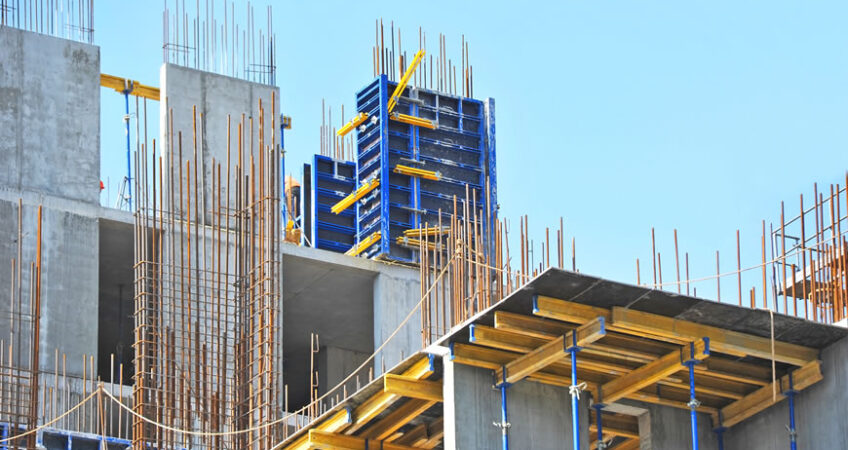
4. Superstructure & Building Enclosure.
The “skeleton” and “skin” of the building are constructed.
- Framing: The assembly of columns, beams, and slabs using wood, steel, or reinforced concrete.
- Building Envelope: Installation of exterior walls, windows, and roofing to make the structure weatherproof.
5. MEP Installation & Interior Finishing.
Once the building is “dried-in” (protected from weather), internal systems are integrated.
- MEP Systems: Installation of Mechanical (HVAC), Electrical (wiring, lighting), and Plumbing (pipes, fixtures) systems.
- Interior Finishes: Drywall installation, painting, flooring, and cabinetry are completed to make the space habitable.
6. Closeout & Handover.
The final stage ensures the project meets all standards before occupancy.
- Punch List: A detailed audit identifies minor defects that the contractor must rectify.
- Final Inspections: Building officials verify the structure meets all safety and regulatory requirements to issue a Certificate of Occupancy.
- Project Handover: All documentation, warranties, and maintenance manuals are transferred to the owner.